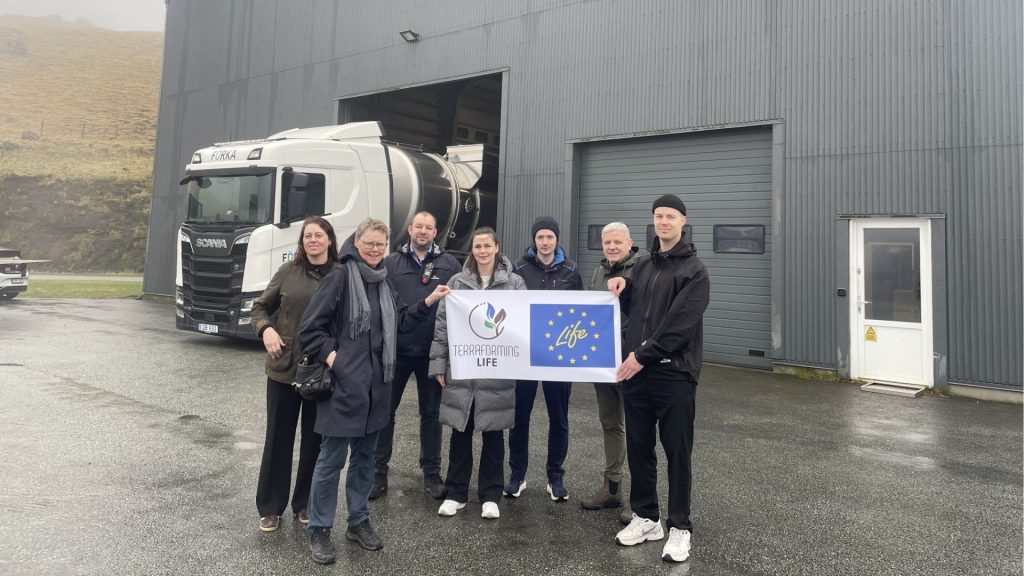
In April, the Terraforming LIFE project team travelled to the Faroe Islands to gain first-hand insight into circular solutions for managing organic side streams from fish farming and agriculture. The visit focused on learning from existing biogas infrastructure and exchange with both industry and the farming community.
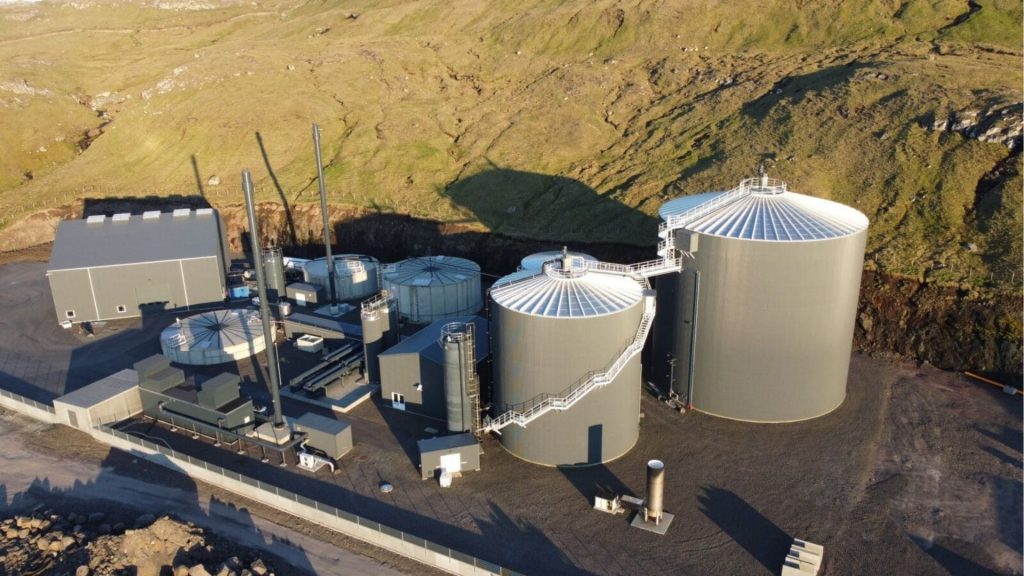
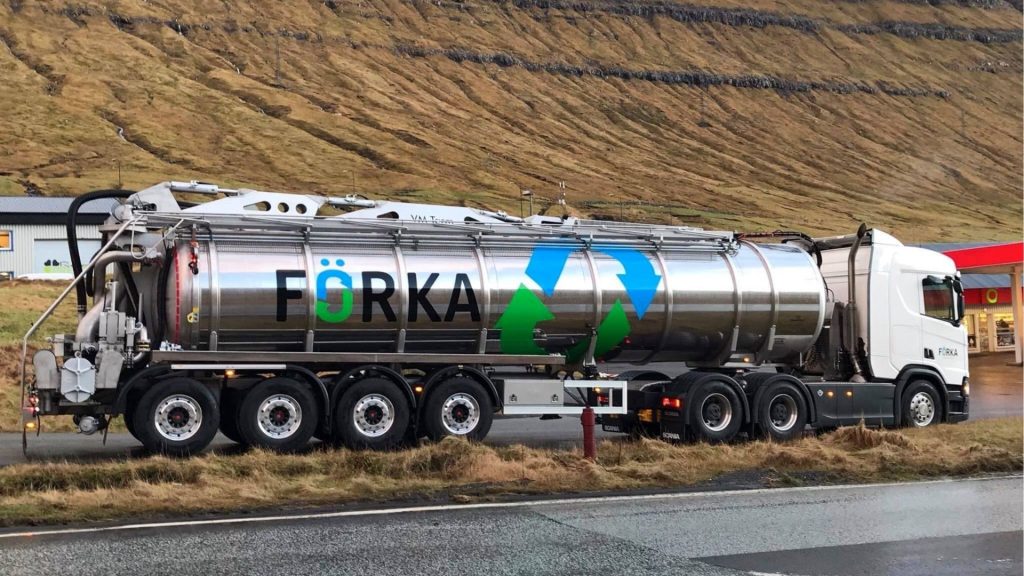
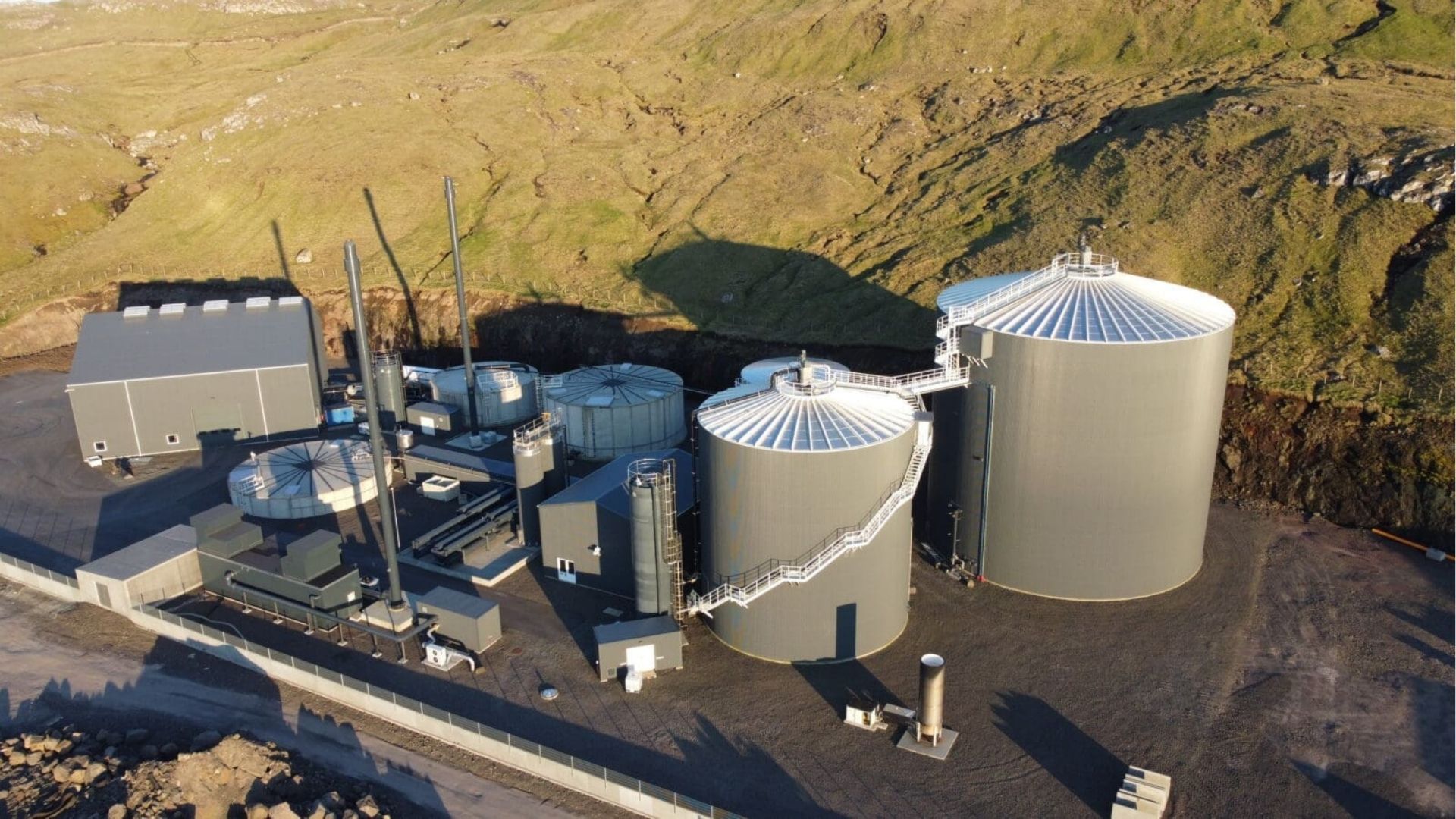
FÖRKA – the Faroe Islands’ biogas plant A key element of the visit was a study tour of the biogas plant FÖRKA, located close to Tórshavn, the capital of the Faroe Islands. FÖRKA has been in operation since 2020 and is the only biogas plant in the Faroe Islands. The facility is wholly owned by the salmon farming company Bakkafrost and was established in response to the need for improved and more sustainable handling of organic waste streams from fish farming.
Feedstock and circular use of organic side streams
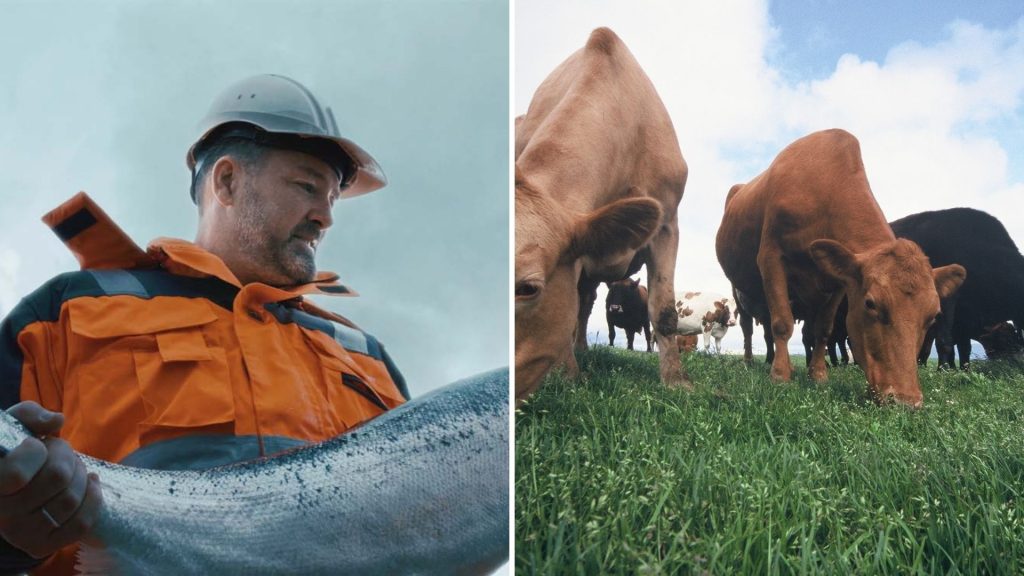
At FÖRKA, fish sludge and fish silage from fish farming are treated together with cattle manure and other organic inputs, including discarded fruit and vegetables. Prior to the establishment of the plant, significant volumes of the fish farming by-products were exported abroad. With the biogas facility in place, the organic material is now processed domestically, allowing the Faroe Islands to retain both the energy and the nutrients locally.
Energy production and agricultural use of fertiliser
The plant produces biogas that is used to generate both energy and heat. These are supplied to local district heating and electricity systems, supporting renewable energy use and reducing reliance on fossil fuels.
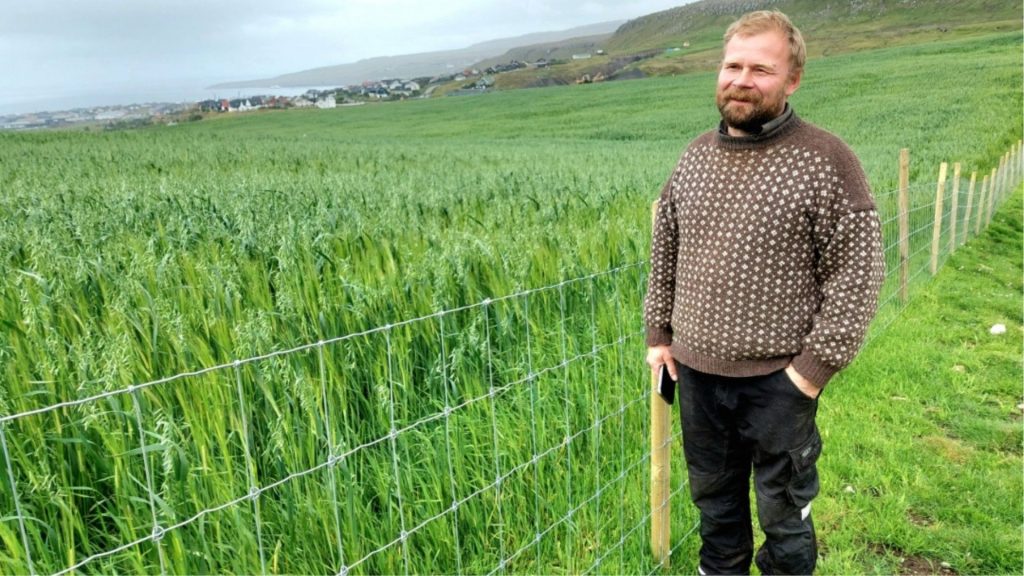
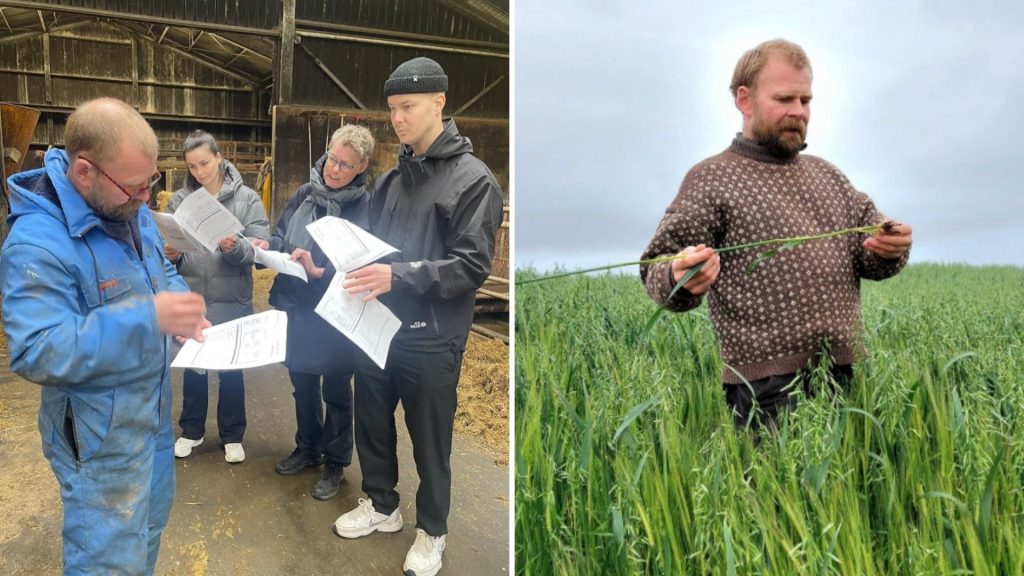
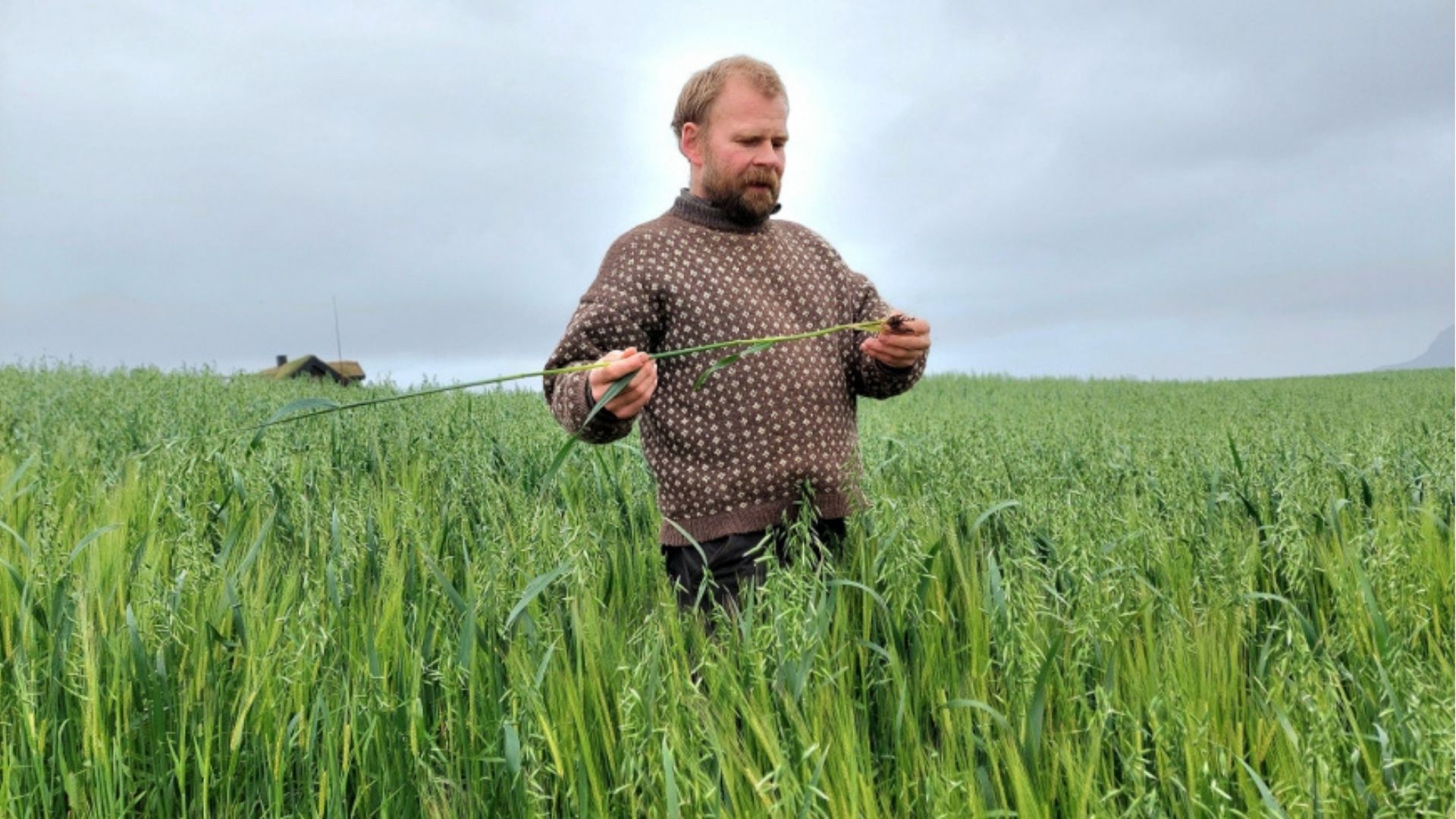
Additionally, the facility produces organic fertiliser that is returned to agriculture, contributing in practice to reduced use of imported synthetic fertilisers. During the visit, the project team spoke with Sigert Patursson, a farmer at Vatnaskarðar, who has been using the FÖRKA fertiliser since the beginning of operations. Based on his experience, he explained that its use has allowed him to significantly reduce his reliance on synthetic fertilisers. He estimated that this has reduced his fertiliser costs by around 40% and noted that further reductions are likely over time.
Odour management and proximity to local communities
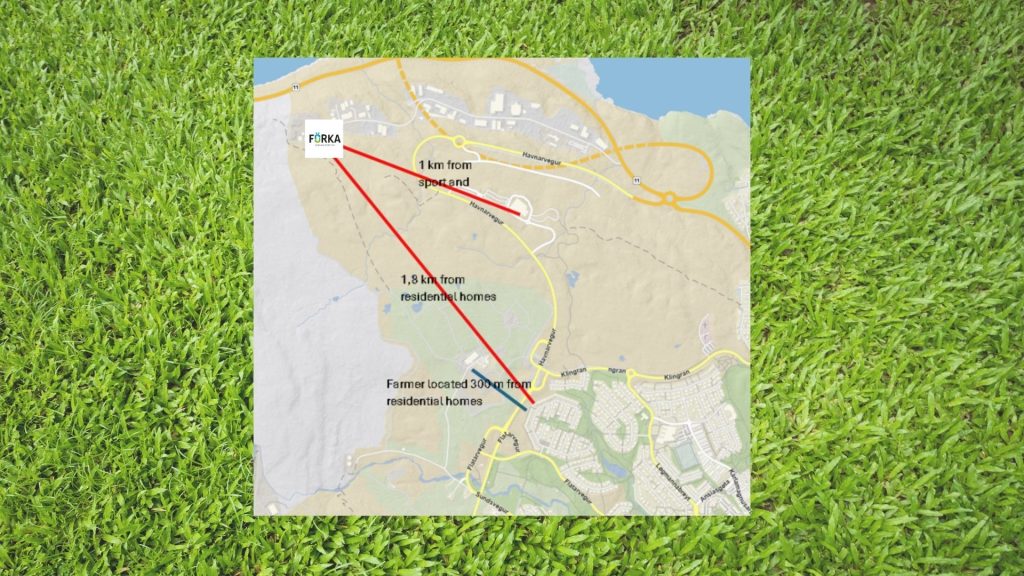
FÖRKA’s experience shows that, when designed and operated to high standards, biogas plants can function close to communities without causing disturbance. The facility is located 1,8 km from the nearest residential area, and a new event hall is approximately 1 km from the plant. Comprehensive measures are used to prevent odour emissions, including enclosed loading and unloading areas under negative pressure, biological air filtration, and gas‑tight storage of digestate.
According to environmental authorities in the Faroe Islands, only one formal complaint has been registered since operations began in 2020, and this complaint was later retracted following investigation. The investigation concluded that the odour most likely originated from a nearby farm rather than from FÖRKA.
Overall, experience from FÖRKA indicates that odour impact have been very limited in practice and can be managed through robust technical design and strict operational control.
Recognition and a forward-looking industry approach
FÖRKA has received both national and international recognition, including nomination for environmental awards and international acknowledgement for its contribution to sustainable energy and waste management.
The establishment of FÖRKA reflects a forward‑looking approach by Bakkafrost and illustrates how industry‑led investment can translate circular ambitions into practical solutions for managing organic side streams, while generating added value across sectors.
Engagement with the farming sector
As mentioned above, the project team also met Sigert Patursson, a large-scale dairy farmer at Vatnaskarðar, who has for many years served as Chair of the Faroese Farmers’ Association. Sigert uses the organic fertiliser produced at FÖRKA on his farm and has gained very positive experience with its application. During the visit, he shared his practical experience and perspectives on the fertiliser’s performance in agricultural use, providing valuable insight into how nutrients from fish farming can be effectively returned to land.
Relevance for Terraforming LIFE
While there are subtle differences between the biogas system at FÖRKA and the focus of Terraforming LIFE, the Faroese experience nevertheless offers valuable lessons. In particular, it highlights how technical solutions, logistics, community engagement, and cross-sector cooperation can support the safe and sustainable utilisation of organic side streams.
The visit to the Faroe Islands provided inspiration and concrete examples that will inform the continued work of Terraforming LIFE in supporting circular economy solutions for organic side streams, with the aim of strengthening resource efficiency and sustainability across fish farming and agriculture in Iceland.